
A new nationwide survey by independent research firm Marsh Africa has reaffirmed the National Resistance Movement’s (NRM) dominant position in Uganda’s political landscape, showing that the ruling party continues to enjoy overwhelming public support despite nearly four decades in power.
The poll, conducted in October 2025, interviewed 9,812 respondents across all regions, age groups, and socio-economic categories.
According to the findings, NRM boasts a 67% positive rating, including an impressive 46% “very positive” score. In contrast, the National Unity Platform (NUP) managed only 35% positive perception, with the party suffering from deep internal polarization and significantly higher negative ratings.
The poll also reveals that 36% of Ugandans view NUP negatively, nearly mirroring its positive rating, underscoring a sharply divided electorate. In comparison, NRM’s negative score remains strikingly low at 19%, a remarkable figure for a party that has governed for 39 years.
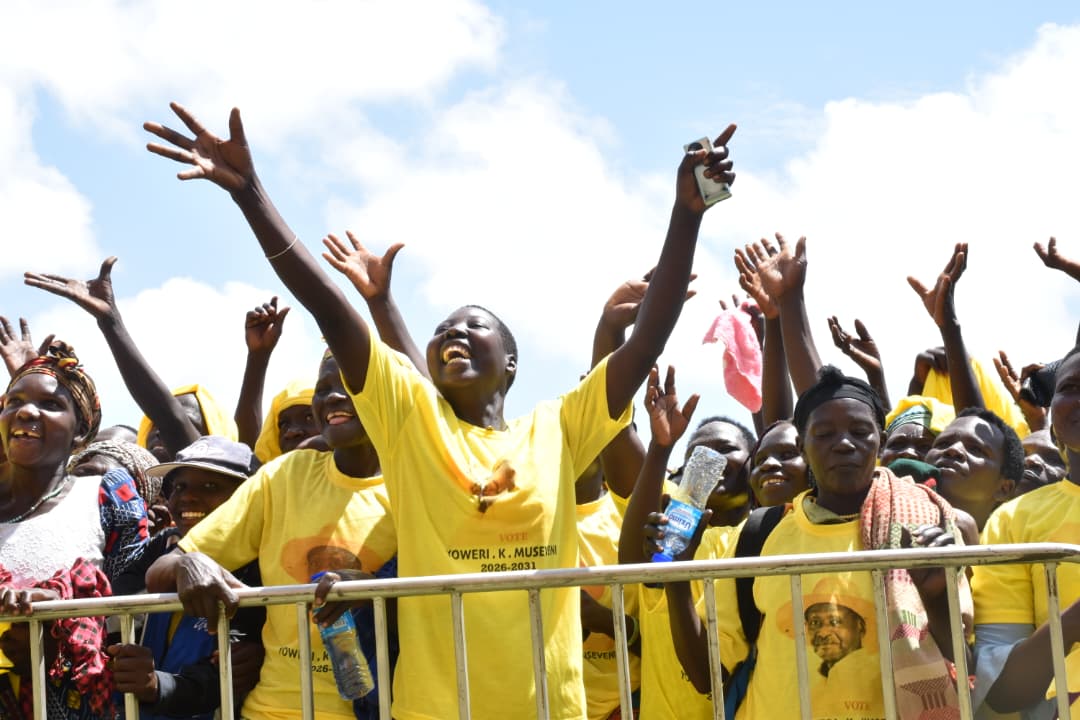
Marsh Africa researchers noted that this enduring support reflects the strength of the NRM’s “security and peace” narrative, as well as its firm grassroots infrastructure, particularly in rural communities.
The findings align closely with presidential favourability trends. President Yoweri Museveni holds a combined 72% favourability rating, with 53% of respondents considering him “very favourable.” His closest challenger, Robert Kyagulanyi (Bobi Wine), stands at 36% combined favourability, but with a much larger share of neutral (26%) and negative sentiment (38%). The research firm also found Museveni leading in all regions and across all age and gender demographics, especially among older voters, while Kyagulanyi’s strongest support lies with younger respondents.
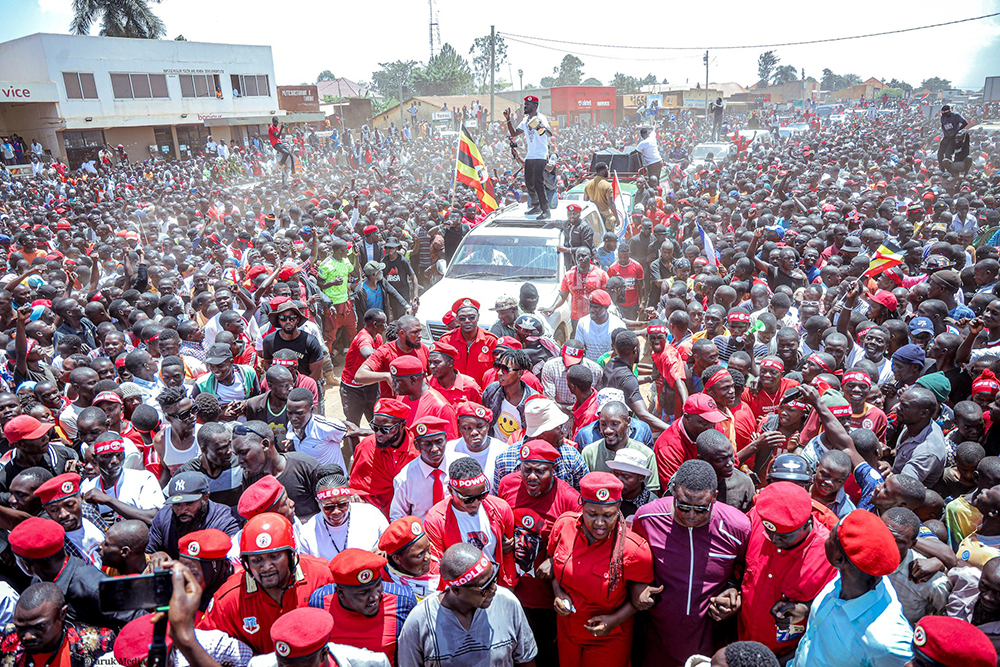
Age and geographic patterns further highlight NRM dominance: Museveni wins every region and 140 out of 146 districts, while NUP’s support is concentrated in parts of central and eastern Uganda. Analysts at Marsh Africa conclude that while NUP remains influential among youth and urban voters, its national brand suffers from high polarization, uncertainty, and declining trust.
With just weeks to the January 2026 elections, the data suggests that NRM enters the final stretch with a commanding advantage, bolstered by broad-based confidence and a deeply rooted support system. Meanwhile, NUP faces the challenge of reversing its negative perception and uniting an electorate that remains largely undecided or wary of its leadership.
Marsh Africa’s officials summarised the picture bluntly: “NRM retains overwhelming national favourability, while NUP remains polarising and heavily disadvantaged in rural opinion.”