

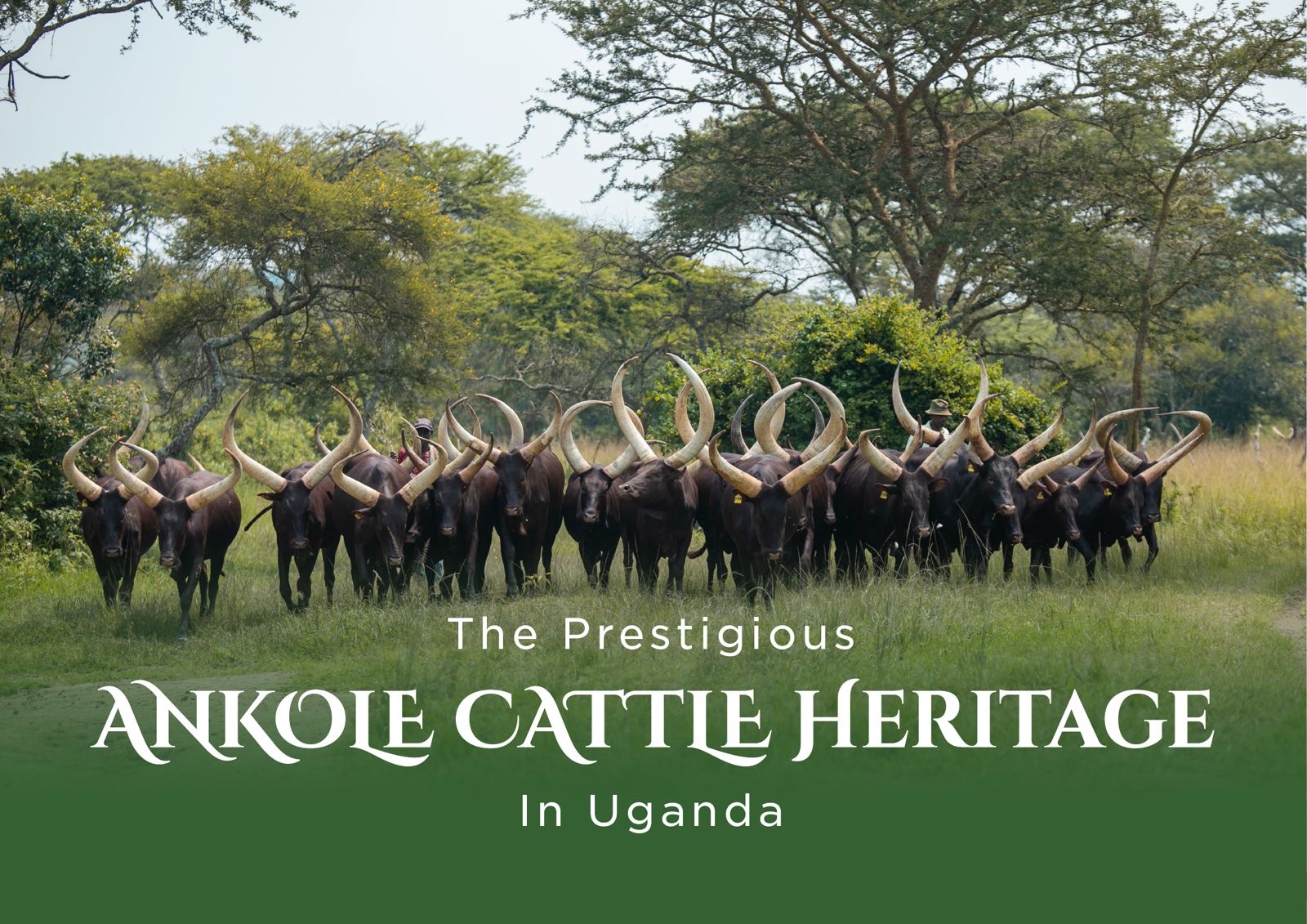
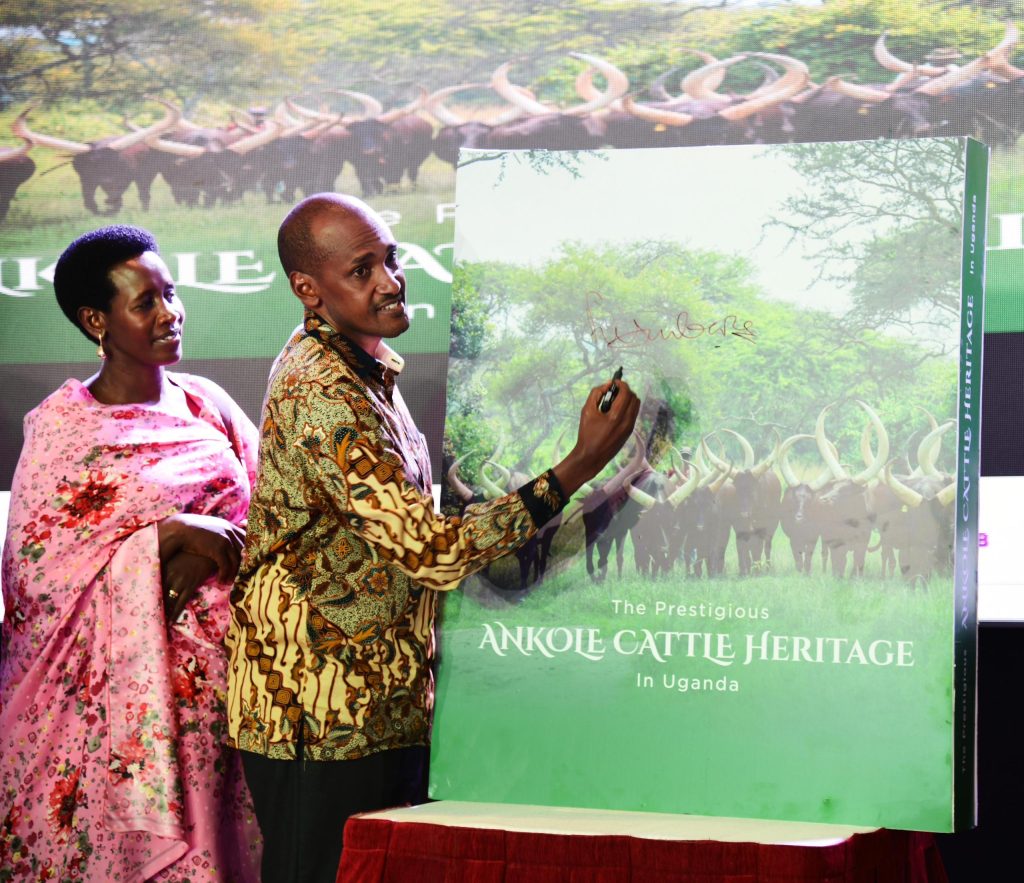
A landmark book celebrating the heritage, economic value, and tourism potential of Uganda’s iconic Ankole Longhorn cattle was recently launched by the National Animal Genetic Resources Centre and Data Bank (NAGRC&DB) in partnership with Destination Ankole, marking an important milestone in efforts to conserve and promote indigenous livestock resources.
The publication documents the deep cultural roots of Ankole cattle, which for centuries have symbolized wealth, prestige, and identity among pastoral communities in Uganda’s cattle corridor. Known for their distinctive long horns and remarkable resilience, the Ankole Cattle remain central to traditional livelihoods while increasingly attracting national and international interest.
According to NAGRC&DB, the book captures the origins of Ankole cattle, their rare races, unique physical traits, and enduring cultural significance. It also highlights the breed’s emerging role in tourism, agribusiness, and genetic conservation at a time when purebred Ankole cattle face growing threats from uncontrolled crossbreeding and habitat pressure.
Beyond heritage, the publication underscores the production strengths of the Ankole Longhorn. The breed is naturally adapted to Uganda’s tropical climate, demonstrating heat tolerance, resistance to common diseases, and an ability to survive on low-quality pasture.
These traits make it particularly suitable for smallholder farmers operating in resource-limited environments, while its high fertility supports rapid herd growth .
The book further highlights the expanding economic opportunities associated with the breed. Global demand for Ankole genetics has increased in recent years, with interest reported from countries such as the United States, South Africa, and Kenya. Uganda has continued to receive requests for Ankole semen and embryos, presenting opportunities for regulated genetic trade and breeder collaboration .
Tourism features prominently in the publication. Cultural villages and ranches in the Ankole region have become key attractions, offering visitors an opportunity to experience the cattle within traditional and natural landscapes. Nshaara Ranch, located near Lake Mburo National Park, has emerged as a flagship site where Ankole cattle graze alongside wildlife such as zebras, impalas, and waterbucks, creating a unique livestock-wildlife tourism experience.
The book notes ongoing plans by NAGRC&DB to strengthen revenue generation through guided tours and licensed sport hunting .
In addition, the publication documents the growing market for Ankole-derived food products. The breed produces rich milk suitable for ghee and fermented dairy products, while its beef is lean, flavorful, and low in cholesterol, aligning with changing consumer preferences for healthier animal products .
The book also positions the Ankole Longhorn as a valuable intellectual property asset. It highlights ongoing efforts to explore geographical indications, Indigenous knowledge protection, and access-and-benefit-sharing frameworks as pathways for strengthening branding, supporting community livelihoods, and ensuring sustainable conservation of the breed .
Government conservation efforts were also documented in the publication. Since 2003, NAGRC&DB has led national initiatives to conserve, develop, and multiply purebred Ankole cattle at Nshaara Ranch in Kiruhura District, Uganda’s National Ankole Longhorn Cattle Conservatory Centre. The foundation stock was sourced from leading breeders across the cattle corridor, including H.E. Yoweri Kaguta Museveni.
Today, the centre manages over 4,000 head of cattle, supported by a national gene bank at the Entebbe Bull Stud and collaborative research with local and international partners .
Drawing on lessons from Europe’s livestock genetic conservation models, the book advocates for stronger community engagement, collaborative partnerships, and market-based incentives to safeguard indigenous breeds. Proposed strategies include establishing breed conservation societies, expanding gene banking through cryopreservation, building farmer capacity, and developing niche markets for heritage livestock products .
Following the launch, NAGRC&DB outlined next steps focused on stakeholder mobilization, conservation financing, genetic material trading, market development, and tourism-based revenue generation anchored on Ankole heritage .
The publication has been described as a timely contribution to national conversations on biodiversity conservation, cultural preservation, and sustainable agriculture.
By documenting the story of the Ankole Longhorn cattle, the book provides a roadmap for leveraging indigenous livestock resources to strengthen rural livelihoods, expand tourism, and preserve Uganda’s heritage for future generations.