
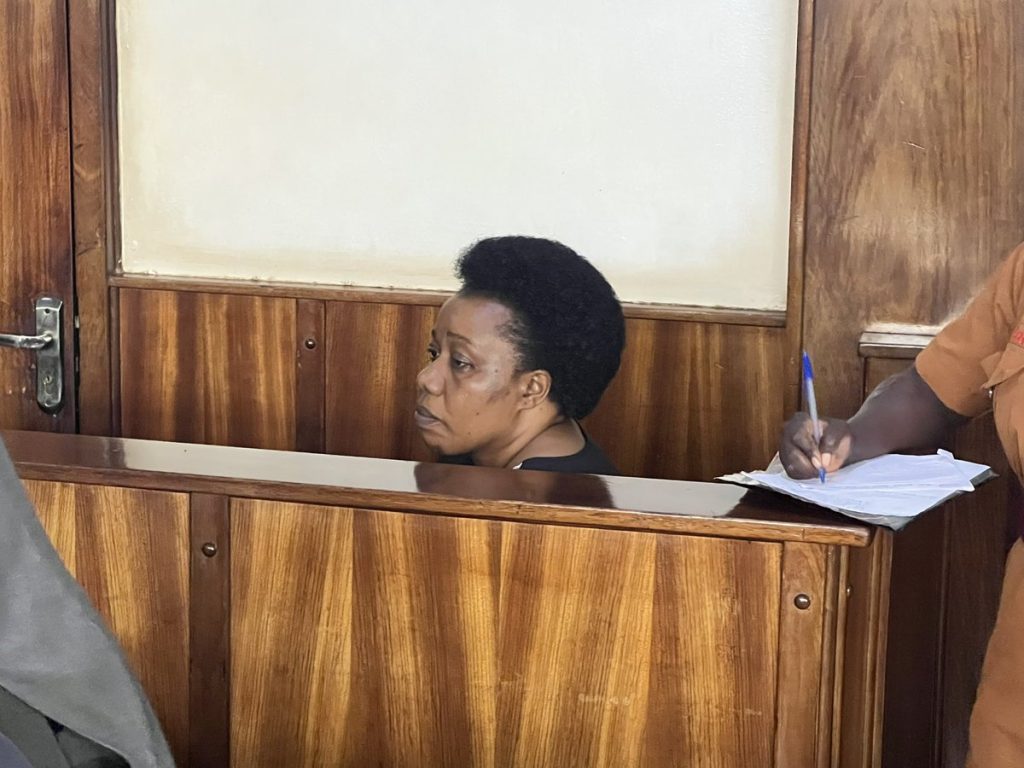
Human rights lawyer and civic activist Dr. Sarah Bireete, the Executive Director of the Centre for Constitutional Governance (CCG), has been granted bail, weeks after her arrest and remand to Luzira Prison in a case that sparked widespread public debate and concern among civil society groups.
Dr. Bireete was released on bail on Wednesday Morning after court set non-cash sureties of Shs10 million, while she herself was required to deposit Shs1 million cash.
As part of the bail conditions, the court also ordered her to deposit her passport, restricting her travel while the case is still before court.
The CCG Executive Director was arrested late last year and later charged with offences related to the alleged unlawful access and handling of voters’ data under Uganda’s data protection laws. She has consistently denied the charges, maintaining that her work was within the law and in line with her organisation’s mandate to promote constitutional governance, transparency, and electoral accountability.
Her detention drew sharp criticism from local and international human rights organisations, legal experts, and members of the opposition, who argued that the case was politically motivated and aimed at shrinking civic space, particularly during a tense election period. Several groups described her prolonged detention as unnecessary and punitive, calling for her immediate release on bail.
News of Dr. Bireete’s release was welcomed by civil society actors and supporters, who described it as a relief and a small victory for the rule of law, while emphasizing that the legal battle is far from over. Many have called on authorities to respect constitutional freedoms and allow civic actors to operate without intimidation.
Despite securing her temporary freedom, Dr. Bireete remains bound by strict bail conditions and is expected to continue appearing in court as the case proceeds. Observers say the outcome of the trial will be closely watched, as it could set an important precedent for civic engagement, data protection, and human rights advocacy in Uganda.