
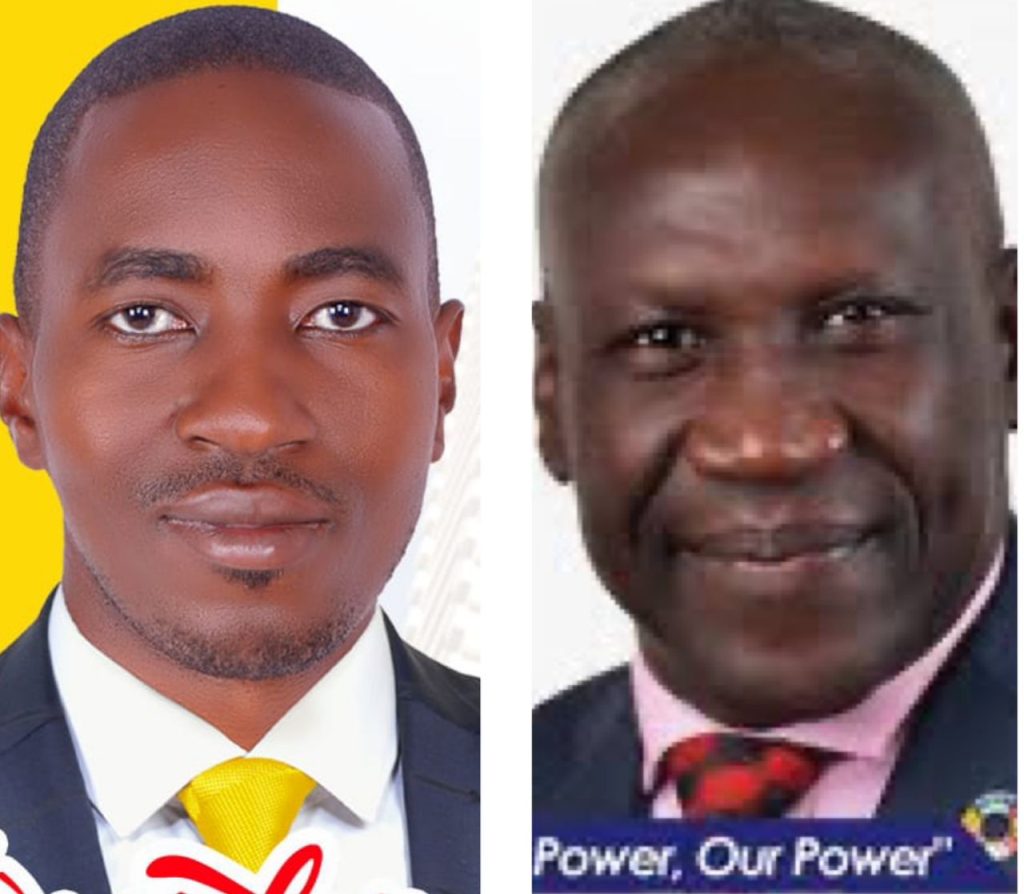
The impact of the Uganda Police Force’s Ghetto Structure Initiative is now translating into measurable political success, following the election of Shafik Kalyango (NRM), the Kampala Central ghetto coordinator, as Lord Councillor for Kampala Central Division.
Kalyango secured a decisive victory, polling 19,416 votes, against Charles Sserunjogi Musoke (NUP), who garnered 13,004 votes. Musoke previously served as Mayor of Kampala Central Division before contesting for the Lord Councillor seat, which he ultimately lost to the ghetto youth leader marking a significant political upset.
The election outcome is being widely viewed as a major milestone for the ghetto structure initiative, a programme designed to empower urban youth through skills development, financial inclusion, leadership training and organised community mobilisation. The initiative is spearheaded by the Director of Crime Intelligence, Maj Gen Christopher Damulira, whose strategy focuses on transforming informal ghetto groupings into disciplined, economically active and politically conscious structures.
For years, the programme attracted scepticism, with critics questioning both its intent and long-term effectiveness. However, Kalyango’s victory over a seasoned political figure has strengthened claims by its architects that the initiative is delivering tangible results.
Congratulating the newly elected councillor, Maj Gen Damulira described the win as a landmark achievement for ghetto youth empowerment.
“I congratulate Shafik Kalyango, the ghetto youth coordinator for Kampala under the ghetto structure, for having won the position of Lord Councillor for Kampala Central Division. This is a very big achievement for the ghetto youth empowerment program,” Damulira said.
The General also pushed back against narratives suggesting that ghetto youth did not support President Yoweri Kaguta Museveni in the recent elections, arguing that their political influence is often underestimated.
“I hear someone say the ghetto youth didn’t vote Mzee. So who voted him? How did Mzee’s support increase only during this election? And who voted Hon. Minsa Kabanda? And who has voted Kalyango?” he asked, adding that many observers overlook the organisational strength of ghetto communities.
“People are joking with the power of the ghetto structure,” Damulira remarked.
Kalyango’s election is expected to further elevate the visibility of the ghetto structure programme in Kampala politics, reinforcing the argument that organised youth empowerment can transition into meaningful civic participation and leadership.
So far, over Shs 1.5 billion has been injected into the initiative across Kampala’s five divisions, with plans to ensure that each division receives at least Shs 1 billion. Supporters argue the investment is already paying dividends, not only in crime reduction and economic stability, but now in political representation emerging directly from the ghettos.