

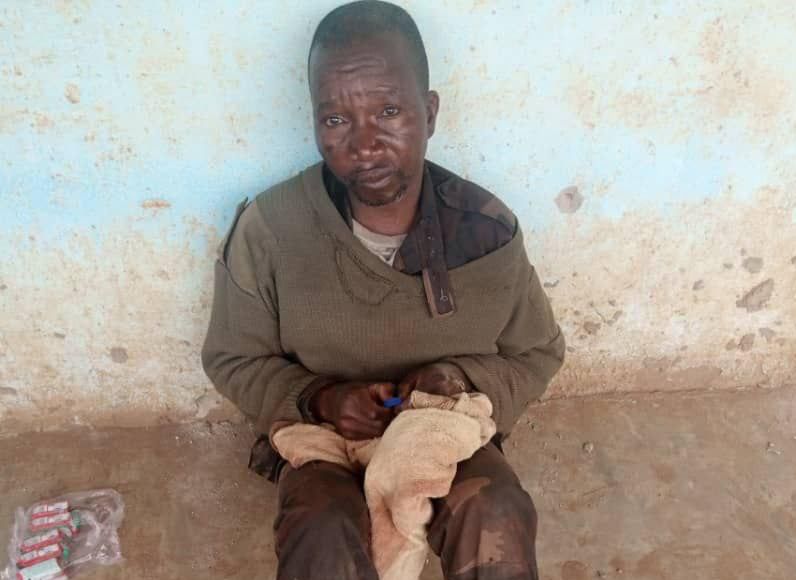
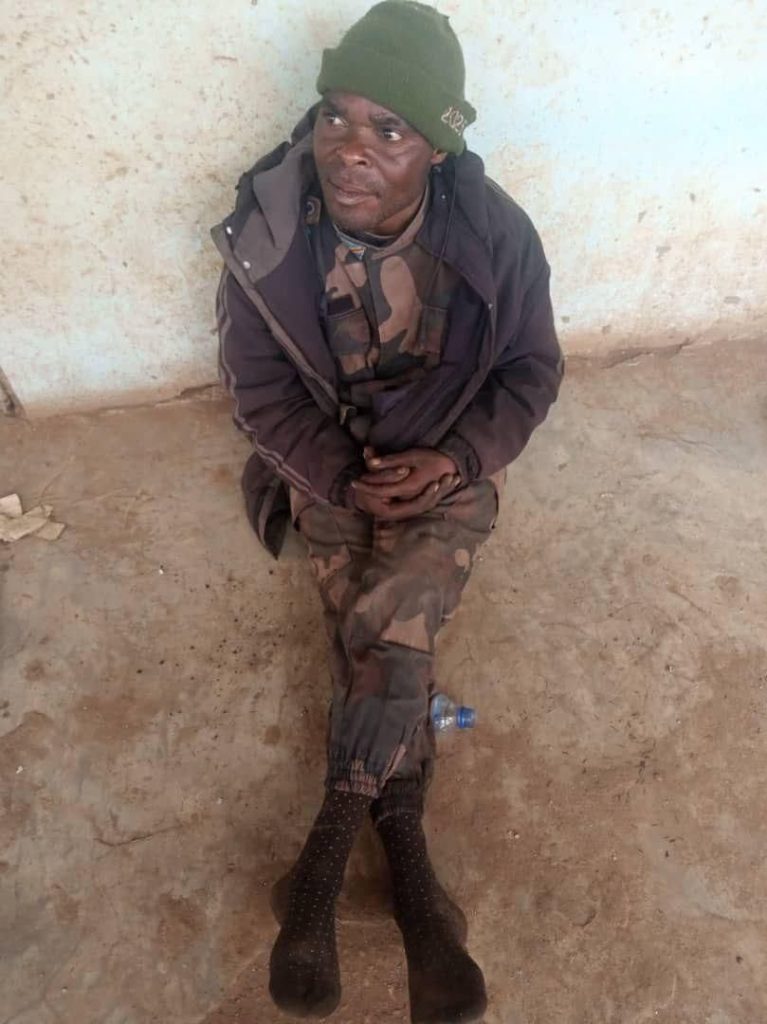
Fourteen soldiers of the Armed Forces of the Democratic Republic of the Congo (FARDC) were captured during fierce clashes with a newly formed militia in eastern Congo’s volatile Ituri province, marking a significant setback for government forces and a tactical boost for an armed group led by former warlord Thomas Lubanga.
The soldiers were taken prisoners of power (POWs) following fighting between FARDC units and the Convention for the Popular Revolution (CPR) in the town of Bule, Djugu territory. Local civil society sources say the clashes erupted on Christmas Eve, triggering panic among residents and forcing hundreds of civilians to flee their homes. Many sought refuge near a nearby base of the Uganda People’s Defence Forces (UPDF).
Economic and social life in Bule was brought to a standstill as markets closed, transport services were disrupted, and families abandoned their homes amid fears of further violence. The capture of the soldiers represents a rare and deeply embarrassing blow to the Congolese army, which is already stretched thin by ongoing large-scale operations against the M23 rebellion in neighboring North Kivu province.
The CPR militia is commanded by Thomas Lubanga, a controversial figure in Ituri’s long-running conflicts. Lubanga was previously appointed by President Félix Tshisekedi to a national peace task force, a move that drew mixed reactions from civil society. After failing to win an elected political position, Lubanga announced the formation of the CPR in March 2025, presenting it as a movement advocating for marginalized communities in Ituri.
The group’s area of operation is strategically important, covering territory north of the provincial capital, Bunia, and extending toward Lake Albert, a key corridor for regional trade and cross-border movement. Security analysts say the success in Bule suggests the CPR is rapidly building operational capacity and exploiting the FARDC’s overstretched deployments, posing a renewed challenge to state authority in a province already scarred by inter-communal violence and competition over resources.
Despite ongoing joint operations between the FARDC and the United Nations peacekeeping mission, MONUSCO, insecurity remains pervasive. Ituri is at the center of one of the world’s most severe yet underreported humanitarian crises, with more than 1.5 million people displaced. The International Committee of the Red Cross has repeatedly warned that civilians in the province are trapped in a relentless cycle of violence, displacement, and deprivation.
In response to the latest fighting, local authorities, in collaboration with MONUSCO, have launched community dialogue initiatives across the wider Djugu territory to rebuild trust between civilians and security forces. However, with armed groups multiplying and political grievances deepening, the path ahead remains uncertain—ranging from intensified military action to politically sensitive negotiations.