

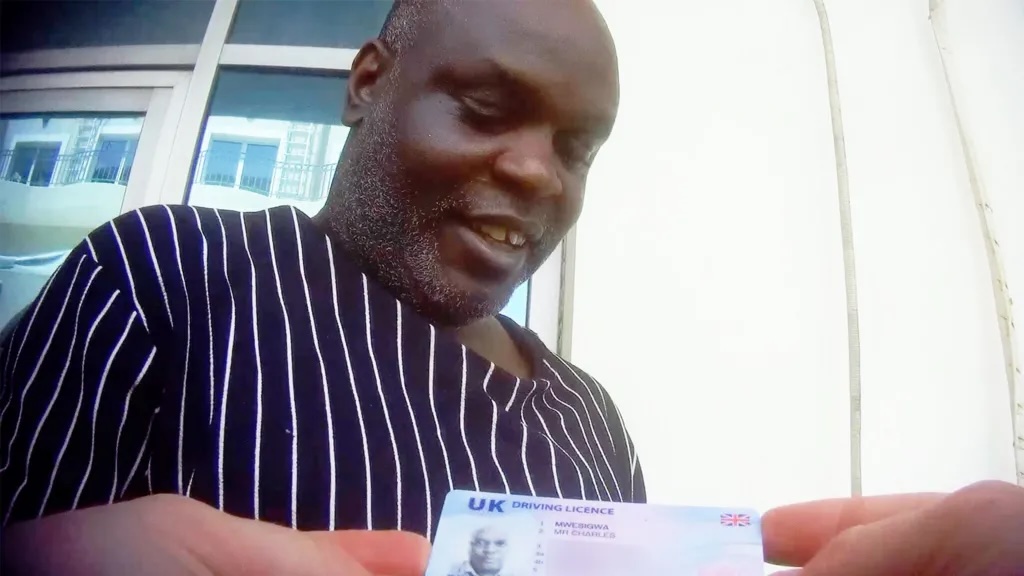
Reports from Dubai indicate that Charles “Abbey” Mwesigwa, the Ugandan man unmasked by a BBC investigation as the mastermind behind a degrading sex-trade ring in the United Arab Emirates, has been arrested.
According to Ugandans familiar with his network, Mwesigwa was picked up late last night in the Bur Dubai district, where he was allegedly seeking refuge while trying to evade authorities after the BBC World Service aired its investigation.
The exposé documented how he lured vulnerable young Ugandan women to Dubai with promises of supermarket and hotel jobs, only to force them into prostitution and extreme sexual exploitation.
This website has not independently confirmed his detention with the Ugandan embassy in Abu Dhabi or Dubai police.
However, a Ugandan who says he knows Mwesigwa personally maintained that the once-powerful operator is now in jail.
“You know Dubai law is harsh. He will be in prison for most of his time,” the source said. He further alleged that Mwesigwa had “been filthy rich out of the sex business and had made huge connections with government officials, supplying them Ugandan women they loved so much, considering that their sex prowess has been top notch.”
The BBC report revealed that Mwesigwa once worked as a London bus driver before relocating to Dubai, where he built a network supplying women to wealthy clients at a starting rate of $1,000 per night.
In a secretly recorded conversation with an undercover reporter posing as an event organiser, Mwesigwa boasted of having “25 girls” who could do “pretty much everything,” including catering to extreme fetishes.
He invited the undercover journalist to a “sample night,” insisting that his girls were “open-minded.”

Asked directly about the notorious “Dubai porta potty” practices, fetish parties where clients defecate on women—Mwesigwa replied confidently that he could supply women “crazy enough” to meet such demands.
Several Ugandan women told the BBC they had been tricked into travelling to Dubai for ordinary jobs but were instead trapped in Mwesigwa’s apartments and forced into sex work. Once in his hands, they were told they owed him thousands of dollars for air tickets, visas, accommodation, and food.
One survivor, referred to as “Mia,” recalled being told she owed £2,000 ($2,711) within weeks of arrival. “That means you have to work hard, hard, hard, pleading for men to come and sleep [with] you,” she said.
Others described horrific abuse, including being defecated on, urinated on, beaten, and even offered for gang rape for as much as 15,000 dirhams ($4,084). Another survivor, “Lexi,” said clients appeared to derive satisfaction from humiliating Black women in particular.
Deaths of Monic and Kayla
The investigation also uncovered disturbing links between Mwesigwa’s operations and the deaths of two Ugandan women in Dubai: Monic Karungi (2022) and Kayla Birungi (2021). Both fell from high-rise apartments associated with his network.
While police reports cited drugs, alcohol, or suicide, families strongly dispute these findings. Kayla’s toxicology report, seen by the BBC, showed no substances in her system at the time of her death. Monic’s body was never repatriated and is believed to have been buried in Dubai’s Al Qusais Cemetery in the “Unknown” section reserved for migrants.
Relatives recall tearful voice notes from Monic describing how her debt to Mwesigwa ballooned to more than $27,000 (£19,918). She had hoped to break free after securing legitimate work but died days later.
Despite repeated requests, Dubai police did not respond to the BBC’s questions about the allegations, nor did they release case files related to Monic and Kayla’s deaths.
However, the latest reports of Mwesigwa’s arrest have already triggered intense discussion within Ugandan media and online platforms. The story has been widely picked up by mainstream broadcasters, newspapers, and blogs, many calling for tighter regulation of the labour export industry. Uganda earns an estimated $1.2 billion annually from migrant remittances, but activists warn that many young women are still trafficked under false pretenses.
Mariam Mwiza, a Ugandan anti-trafficking activist, told the BBC she has helped rescue more than 700 people from the Gulf. “We get cases of people who have been promised to work in a supermarket. Then that person ends up sold as a prostitute,” she said.
What Next for Mwesigwa?
If confirmed, Mwesigwa’s detention would mark a dramatic downfall for a man who once bragged that “Dubai is mine” and claimed he could never be reported to authorities. Under the strict UAE legal system, he is unlikely to be repatriated to Uganda and could face a lengthy prison term in Dubai.
For families of Monic, Kayla, and many others still trapped, the alleged arrest offers a glimmer of accountability—but also raises pressing questions about how many other women remain at risk inside the Gulf’s shadowy trafficking pipeline.